Mona Lisa 1: The Mysterious New AI Model Making AI Images Look Real
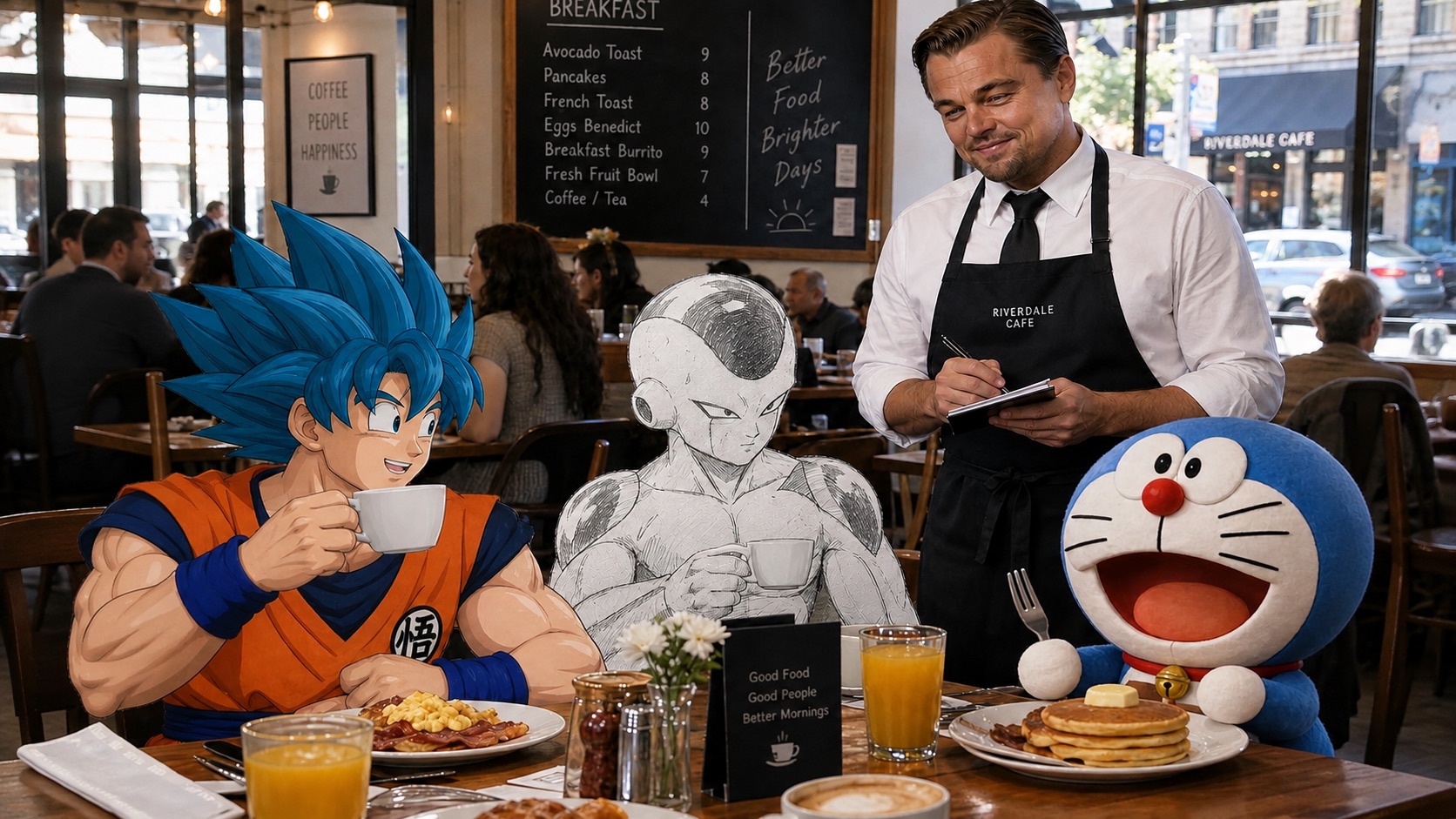
Mona Lisa 1 is an exciting new AI image model built for stunning realism. It creates lifelike skin, natural lighting, rich textures, and authentic details—producing images that feel more like real photography and less like typical AI-generated art.
Introduction: Meet Mona Lisa 1, a New Era of Realistic AI Images
Tired of AI-generated images that look overly polished, plastic, or simply too artificial?
Mona Lisa 1 takes AI image generation closer to real photography, creating lifelike skin, natural lighting, rich textures, and subtle imperfections. The result is more believable, authentic imagery with far less of the typical “AI look.”
What Is Mona Lisa 1?
Mona Lisa 1 is a mysterious AI image model first spotted in Arena blind tests around August 9–10, 2026. Community evidence suggests that it may be connected to OpenAI.
What makes Mona Lisa 1 stand out? More lifelike skin, natural lighting, richer textures, stronger prompt following, and far less of the plastic-looking “AI effect” found in many generated images. Instead of making every picture look unnaturally perfect, it adds the subtle imperfections that make a photo feel real.
“Mona Lisa 1 is not simply trying to make AI images prettier—it is trying to make them believable.”
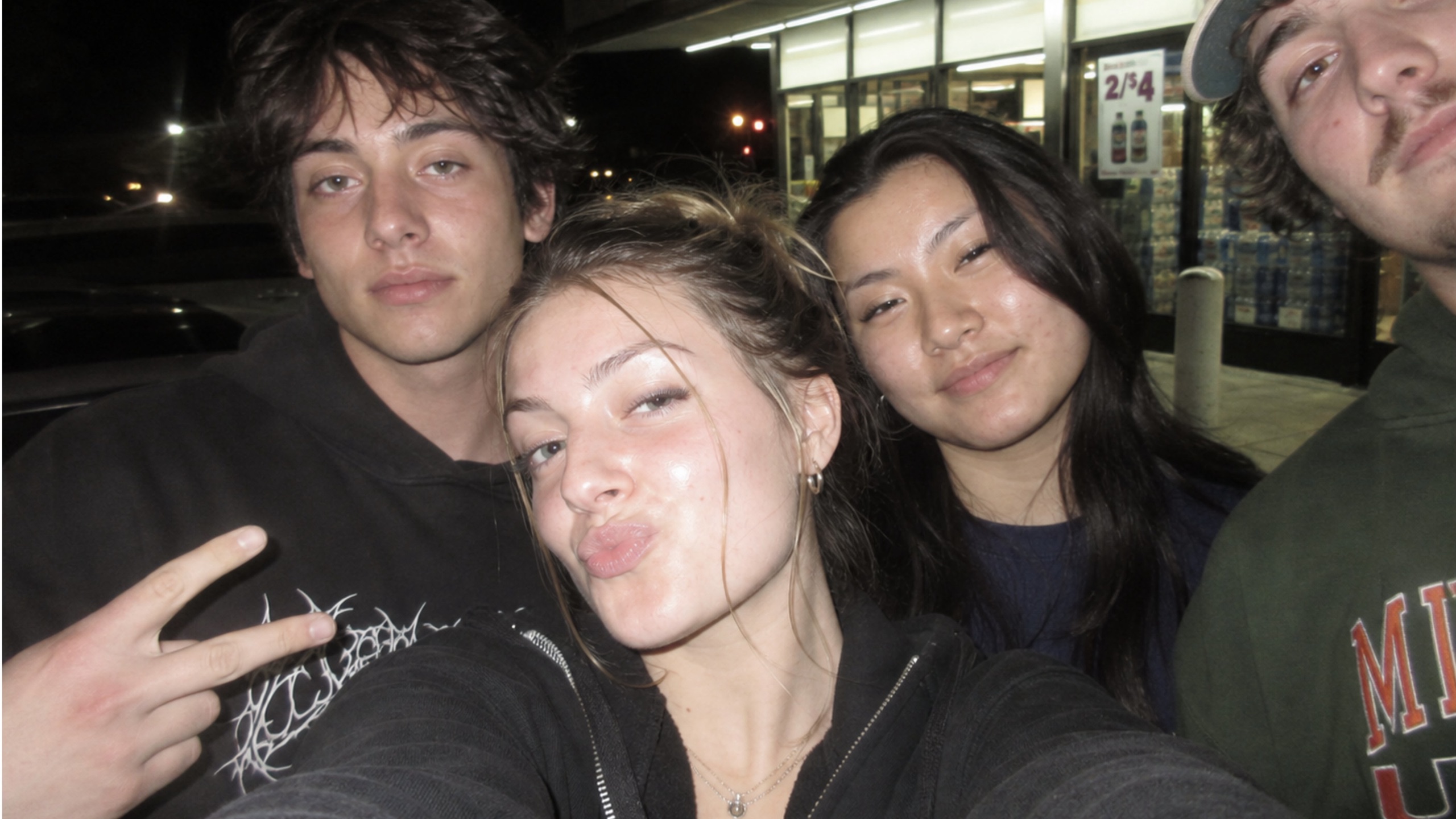
Why to choose Mona Lisa 1
Core Capabilities
Mona Lisa 1 offers several standout image-generation capabilities:
- Create lifelike portraits and photos with natural skin, hair, lighting, and depth of field
- Follow complex prompts with multiple subjects, objects, settings, and composition rules
- Generate text-rich visuals such as posters, infographics, diagrams, and UI mockups
- Produce multiple creative styles, including photography, illustration, concept art, and advertising visuals
Technical Advantages
The image-generation technology behind Mona Lisa 1 provides:
- Less plastic-looking output through pores, freckles, stray hairs, and natural imperfections
- More realistic light and textures across skin, fabric, glass, metal, and wet surfaces
- Stronger detail retention when processing long prompts with many visual requirements
- Less prompt engineering, producing believable images without repeated corrective phrases
Where to Try Mona Lisa 1
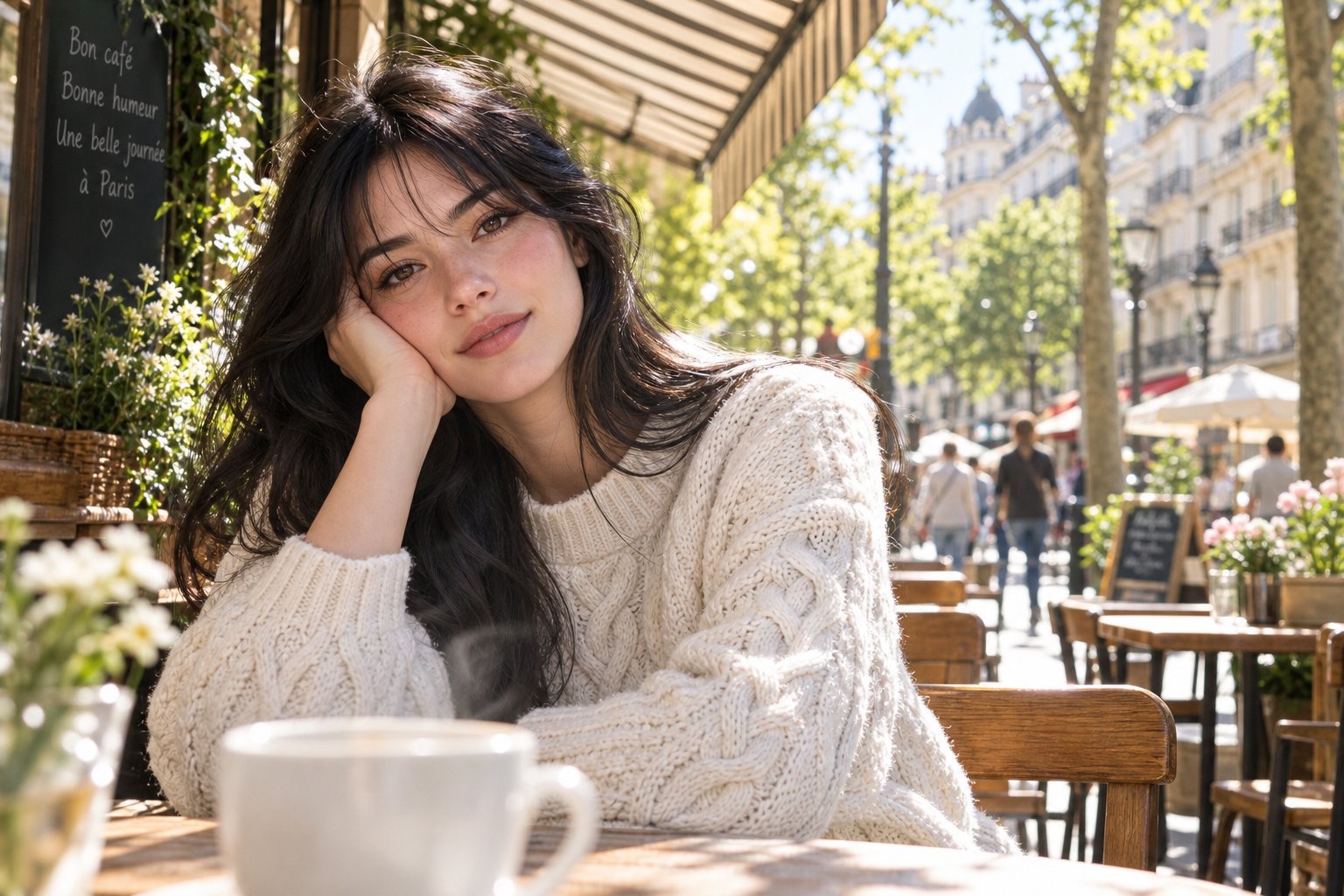
How to Use Mona Lisa 1 (Quick Tutorial)
Getting Started Mona Lisa 1
- Go to piceditor.ai
- Write a clear, detailed prompt describing the subject, setting, lighting, camera style, and important details.
- Click Generate → results appear in seconds
- Refine with more prompts, then download in high resolution
Best Practices
To get the clearest Mona Lisa 1 results:
- Use specific visual details
- Describe the camera and lighting
- Add several scene elements
- Inspect faces, hands, text, and backgrounds
Best Mona Lisa 1 Use Cases
Mona Lisa 1 could support a broad range of creative and commercial workflows:
Social media content
- lifelike skin and less plastic
- photo aesthetics
Fashion and beauty campaigns
- natural lighting
- detailed fabric textures
E-commerce product visuals
- realistic materials
- polished scene composition
Advertising and brand campaigns
- strong complex
- prompt following
- text-and-image layout understanding
Concept art and illustration
- flexible styles
- rich visual detail
Blog covers and thumbnails
- structured visual composition
- high-detail imagery
For developers, Mona Lisa 1 could eventually become the foundation for specialized products such as realistic portrait generators, product-photography tools, fashion-model generators, infographic makers, poster generators, and AI ad creators.
competition from others
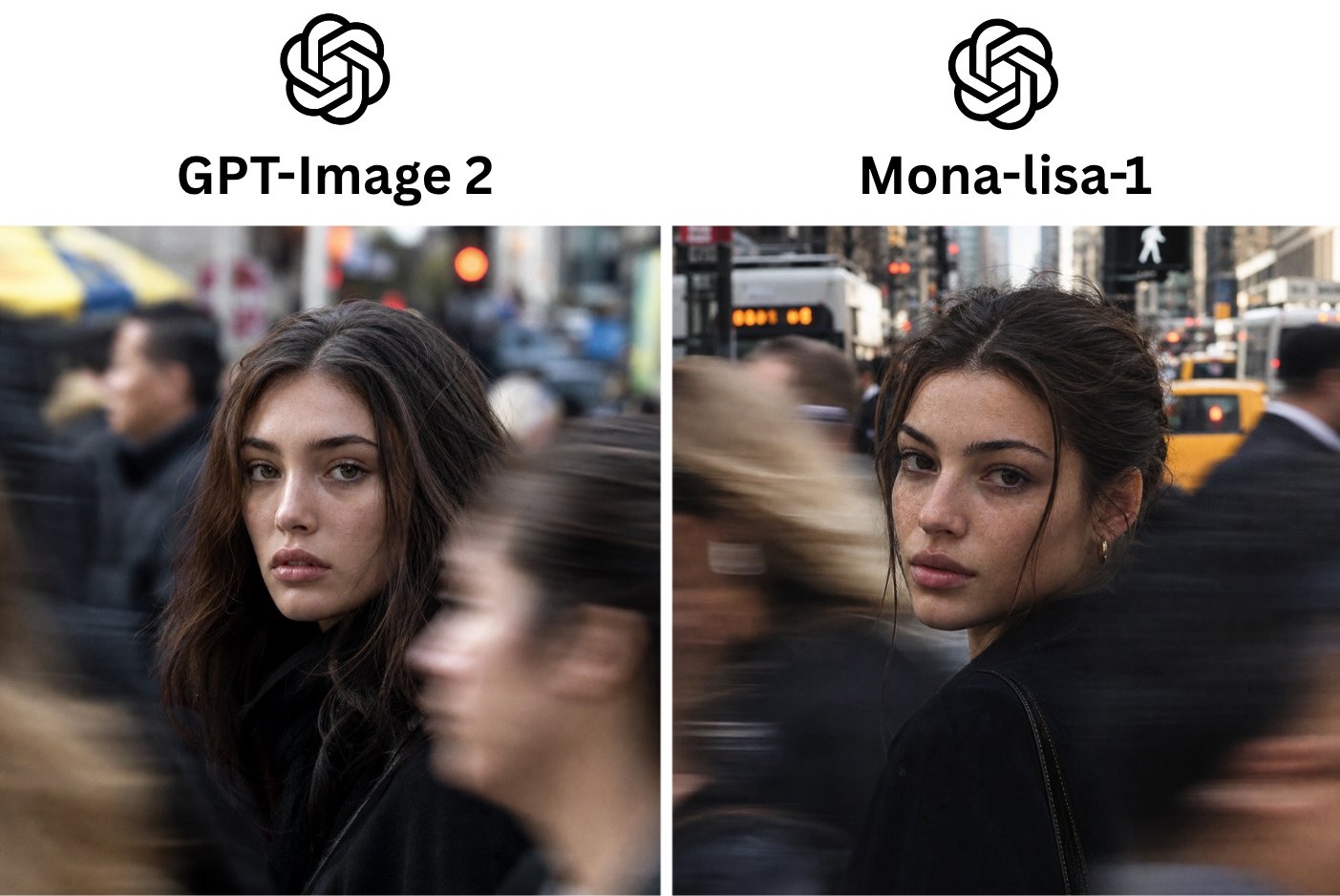
Mona Lisa 1 vs GPT Image 2
| Capability | GPT Image 2 | Mona Lisa 1 |
|---|---|---|
| Portrait realism | Strong | Often more natural |
| Skin texture | Detailed | More visible imperfections |
| Typical AI plastic look | Can appear | Often reduced |
| Prompt following | Strong | Strong in complex scenes |
| Text rendering | Strong | imperfect |
Some users prefer GPT Image 2 results for anime, complicated compositions, or particular artistic styles.
Mona Lisa 1 may be targeting specific weaknesses—especially plastic-looking people and overly perfect photography.
Mona Lisa 1 vs Nano Banana
Nano Banana is widely associated with image editing, multi-image workflows, subject consistency, background replacement, outfit changes, and controlled transformations.
Mona Lisa 1 advantage is generating believable images from scratch.
User Experience with Mona Lisa 1
“Exceptional prompt comprehension”
“I was blown away—it followed my long, detailed prompt and got everything right across all six images!”
— Ehler, Social Media Content Manager
“Impressive editing and natural quality”
“I was genuinely shocked by how well it followed my editing prompt. The final image looked incredibly clean and natural!”
— lucellent, Character Concept Artist
Final Thoughts
Mona Lisa 1 is one of the most interesting experimental image models. Its natural portraits, detailed textures, complex prompt following, structured visuals, and reduced AI look suggest a meaningful step toward more believable image generation.
Ready to experience the future of realistic AI image generation? Look for Mona Lisa 1 in piceditor.ai and discover how believable AI-created images can feel.